

Medicare can be confusing, even for people who have been enrolled for years. A recent eHealth survey highlights just how large the knowledge gap may be…
Read on to learn more about what these findings mean for agents selling Medicare products and how you can help your clients make more informed coverage decisions!
Consumers Are Confused About Medicare Costs
Many beneficiaries misunderstand how Medicare costs work.
The survey found that:

88 percent don’t know or incorrectly believe Original Medicare has an annual out-of-pocket maximum.

63 percent don’t realize they generally pay 20 percent coinsurance for covered services under Original Medicare.

45 percent don’t know whether Original Medicare covers dental, vision, and hearing services or mistakenly believe that it does.
These beliefs can lead to unexpected costs and coverage gaps. As an agent, you have an opportunity and duty to help clients understand their financial responsibilities before they receive a medical bill.
When reviewing coverage options, take time to explain deductibles, coinsurance, copays, and other potential out-of-pocket expenses. You can also discuss how Medicare Advantage and Medicare Supplement plans address different coverage needs and costs.
Need help explaining Medicare costs and coverage to your clients? Ritter’s Content Library offers ready-to-use, consumer-facing marketing materials to help you educate prospects and current clients. Share relevant resources to answer common Medicare questions, clarify coverage options, and keep your clients informed throughout the year.
By helping clients look beyond the monthly premium, you can give them a clearer picture of what to expect from their coverage and help them identify options that align with their health care needs and budgets.
Why Medicare Education Should Start Before Age 65
Adults approaching Medicare eligibility, aged 55 to 64, may be even less prepared.
- 82 percent don’t understand the 20 percent coinsurance responsibility associated with Original Medicare.
- 88 percent are unaware of the Part B late-enrollment penalty.
- 80 percent don’t know about Part D late-enrollment penalties.
- 71 percent don’t know they risk paying more for or being denied Medicare supplement coverage if they apply after their Initial Enrollment Period.
Enrollment rules are another major area of confusion. That’s why Medicare education shouldn’t wait until a consumer is already enrolled.
Connecting with consumers before they turn 65 gives you an opportunity to explain their options, answer questions, and help them prepare for important enrollment decisions.
Consider reaching out to your turning-65 prospects with educational emails, hosting an educational event, or sharing weekly tips on social media. Use these opportunities to explain how Medicare works, review applicable enrollment periods, and discuss how their current coverage may affect their enrollment decisions.
Helping consumers understand their options early can make their transition to Medicare less overwhelming while allowing you to build relationships with potential clients before they become eligible.
How Insurance Agents Can Improve Medicare Understanding & Close the Gap
The biggest takeaway isn’t simply that consumers don’t understand Medicare. It’s that many may not realize what they don’t know.
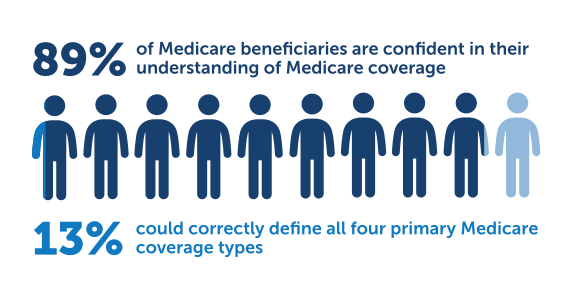
You, as an insurance agent, can help by:
- Starting conversations before clients turn 65
- Explaining Medicare terminology in plain language
- Discussing potential costs beyond the monthly premium
- Reviewing applicable enrollment periods and deadlines
- Continuing to educate clients as their needs and coverage change
Consumers aren’t just looking for plan options. They need help understanding them! If you’re offering Medicare enrollment help, being the person who makes Medicare easier to understand can be one of the most valuable services you provide.
Register with Ritter and get the guidance you need to navigate the market for your current and future clients.





Not affiliated with or endorsed by Medicare or any government agency.
Share Post